Gather the Required Devices and Products
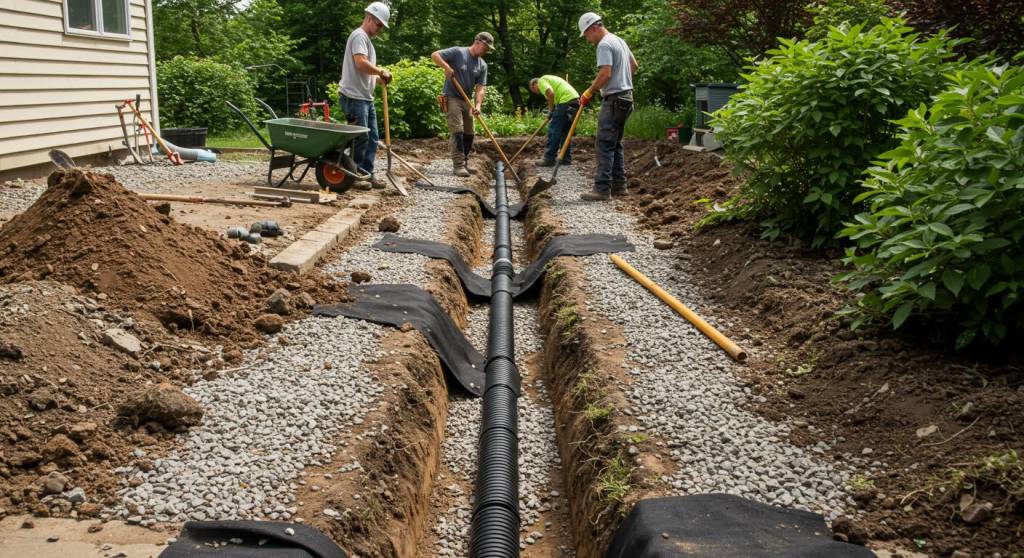
To set up a French drainpipe in Omaha, NE, like a pro, it's important to begin by gathering all the necessary tools and materials.
Omahars Bad Drainage Woes: Are French Drains the Answer? 10 Major Signs Your Omaha Lawn Needs a French Drain Now . -
- Omaha wet basement solutions restore your space to dry, usable, and breathable.
Initially, you'll require standard tools for excavation. A strong shovel is a have to for digging the trench, and for larger projects, you might consider renting out a trenching equipment to save energy and time. A wheelbarrow is likewise important for carrying dirt and debris away from the worksite. Don't neglect to have a level or a laser level convenient. This device is important to make certain the trench's slope is proper, as the drain should have a constant down angle for water to flow properly.
Next, gather the products for the French drainpipe itself. You'll need perforated drainage pipe, which is the foundation of the system. Make certain to purchase a pipe with pre-drilled holes, as these enable water to enter and flow via the system. You'll likewise need landscape fabric to line the trench. This material prevents dirt and debris from blocking the pipeline while allowing water to go through. Squashed crushed rock or drain rock is one more important product.
Omahars Bad Drainage Woes: Are French Drains the Answer?
Omahars Bad Drainage Woes: Are French Drains the Answer? - We’re the French drain company Omaha NE locals call when their basements stage water parades.
-
- Omaha trenching for drainage
-
-
- Soil drainage Omaha Nebraska
- Waterproofing contractors Omaha Nebraska
-
- We create yard drainage solutions Omaha NE so your grass isn’t constantly auditioning to be a swamp.
- Omaha basement drainage systems
- We’re the French drain company Omaha NE locals call when their basements stage water parades.
Security equipment is another vital consideration. Handwear covers, shatterproof glass, and sturdy work boots will safeguard you while dealing with hefty devices and materials. If you're utilizing power devices like a trenching maker, listening to security is also a good idea.
Lastly, double-check that you have any kind of accessories or added products required for your particular job. As an example, you might need ports to sign up with sections of pipe, end caps to close off the ends, or downspout adapters to link your drainpipe to existing gutters. Having these products accessible will certainly save you from making numerous trips to the equipment store.
By collecting all the tools and materials in advance, you set on your own up for success. A well-prepared worksite allows you to focus on the installation procedure without unnecessary disruptions. In Omaha, NE, where heavy rains and fluctuating weather patterns can cause water merging and drainage concerns, a properly mounted French drainpipe can make a considerable distinction in safeguarding your residential property from water damage. With the right devices and materials in place, you'll be ready to take on the
Mark the Drainpipe Path and Excavate the Trench
Marking the drain course and excavating the trench are critical steps in setting up a French drain like a pro. Whether youre handling pooling water in your backyard or consistent water drainage concerns around your home in Omaha, NE, a well-installed French drainpipe can be the best option. To make certain success, careful planning and execution of these preliminary steps are crucial.
The very first step is to mark the drainpipe course. This involves recognizing the lowest point in your yard or building where water tends to gather and establishing the best course for the water to flow away. In Omaha, where the soil and landscape can vary, its important to take the natural incline of your backyard into account. Usage noting paint, flags, or a yard pipe to lay out the path of the drain. The goal is to create a slight, constant downhill slope so that gravity can do the work of relocating water away from problem locations. Be thorough in this stage-- accuracy right here will certainly save you headaches later on.
Following comes the excavation. This is where the actual job begins. Making use of a shovel or, for bigger projects, a trenching machine, dig along the marked path to produce a trench. The trench ought to have to do with 18 to 24 inches deep and 6 to 12 inches large, though this may differ depending on the quantity of water you're taking care of. If youre in Omaha, you may encounter clay dirt, which can be challenging to dig with, so be prepared for some physical effort. To make the task much easier, consider digging when the soil is slightly moist yet not saturated.
As you dig, make certain that the trench keeps a regular slope of around one inch per 8 feet. This progressive incline is necessary for routing water circulation efficiently. Utilize a level or a string line with an incline indicator to check your work frequently. Uneven or incorrectly sloped trenches can cause standing water or decreased performance of the French drain.
As soon as the trench is excavated, eliminate any type of big rocks, roots, or debris that might block water circulation or damages the drain. Ravel all-time low of the trench to produce an also surface for the following actions of the installation procedure. Correctly preparing the trench at this phase will certainly lay a strong structure for the remainder of the task.
By putting in the time to thoroughly note the drain path and excavate the trench effectively, you're establishing on your own up for a successful French drain installment. Attention to detail in these actions guarantees that water will certainly flow effectively away from your home or yard, protecting your residential property from water damage and improving
Lay the Gravel and Mount the Drainpipe Pipeline
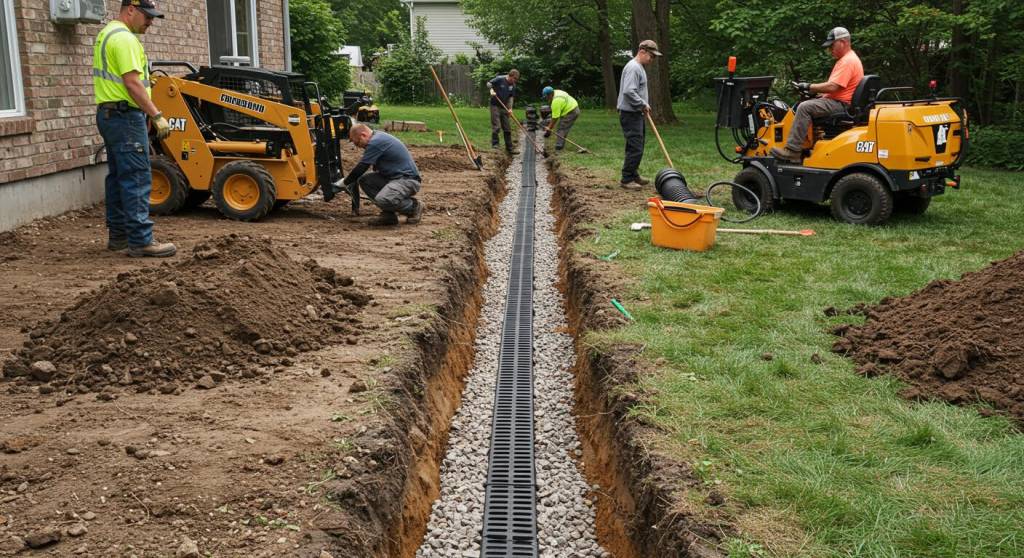
To lay the crushed rock and set up the drainpipe pipe for a French drain in Omaha, NE, like a professional, you require to follow a clear and methodical process. This is a critical action in ensuring your French drainpipe functions effectively to divert water away from trouble locations and stop issues like cellar flooding or lawn disintegration. Right here's just how you can do it right.
Initially, after excavating the trench to the proper deepness and gradient, prepare the base for the crushed rock layer. The trench should slope a little downward, approximately 1 inch for every 8-10 feet, to ensure appropriate water circulation. We’re the French drain company Omaha NE locals call when their basements stage water parades. Begin by lining the trench with landscape fabric. This fabric is important since it will stop soil and debris from obstructing the drainpipe gradually while allowing water to permeate via easily.
When the trench is lined, include a layer of crude gravel, concerning 2-3 inches deep, evenly spread along all-time low. Squashed rock or cleaned crushed rock works best for this objective because it enables water to pass through openly. Omaha basement drainage systems Ravel the gravel with a rake, ensuring it disperses uniformly while preserving the trenchs incline.
Currently its time to mount the drain pipeline. Make use of a perforated pipeline especially developed for French drains pipes, as the small openings permit water to go into and move through the pipe successfully. Area the pipe on top of the gravel layer, seeing to it the perforations face downward. This alignment makes certain that water getting in the trench can be collected successfully without soil clogging the openings.
As you position the pipeline, check that it complies with the slope of the trench. A correct gradient is important for guiding water toward the marked water drainage exit factor. Protect the pipe in position using extra gravel around and on top of it. Add an additional layer of gravel, concerning 2-3 inches, to cover the pipeline entirely. This will certainly further help water filtering and shield the pipeline from damages.
Once the pipe is securely in position and covered with crushed rock, fold the excess landscape fabric over the top. This produces a barrier to stop dirt from combining with the gravel, which can result in obstructions and reduce the effectiveness of the drain gradually. With the textile in place, you can backfill the trench with dirt to bring back the location's look or cover it with ornamental stones for much better water drainage and a refined surface.
By very carefully laying the gravel and installing the drainpipe pipeline with these actions, you'll produce a sturdy and effective French drainpipe system. Making the effort to make certain correct incline, protected installation, and complete coverage will certainly not just fix drainage issues yet likewise provide
Cover the Drain and Settle the Installation
To settle your French drain installment in Omaha, NE, like a pro, among the important steps is to effectively cover the drain and end up the setup. This action makes certain that your French drain works efficiently and remains functional for many years ahead, also in Nebraska's unpredictable weather conditions.
After laying the perforated drain pipeline right into the gravel-filled trench, it's time to cover the pipeline to safeguard it from obstructing brought on by dirt, debris, or sediment. Begin by wrapping the pipe with a top notch, water-permeable landscape fabric, which works as a filter to stop dirt from entering the pipeline while still enabling water to stream via. This straightforward step is crucial in maintaining the long-lasting efficiency of your drain system and avoiding pricey repair work down the road.
Next, include another layer of crushed rock atop the pipe, filling the trench up until it's simply a couple of inches below ground degree. The crushed rock not just supports the pipeline but additionally helps with water flow right into the drain system. Be sure to use tidy, angular gravel, as it supplies much better water activity and architectural stability compared to rounded rocks.
Once the gravel is in area, fold up the excess landscape textile over the top, developing a protective obstacle that maintains dust from penetrating. This step is particularly important in Omaha's clay-heavy soil, which can quickly block drains pipes if not properly managed.
To finish the setup, backfill the trench with soil, ensuring it's level with the surrounding ground. If you're mounting the drain in a yard or lawn, consider adding turf or grass seed over the filled up trench to recover the area's appearance and keep visual appeal. Appropriately small the soil to prevent clearing up gradually.
At this phase, your French drainpipe is totally installed and prepared to handle excess water properly. By taking the time to effectively cover the drainpipe and complete the setup, you've ensured that your drain system is resilient, effective, and capable of taking care of Omaha's rainfall and snowmelt challenges. Congratulations-- you have actually finished the project like a professional!