Integration of IoT and Smart Home Systems
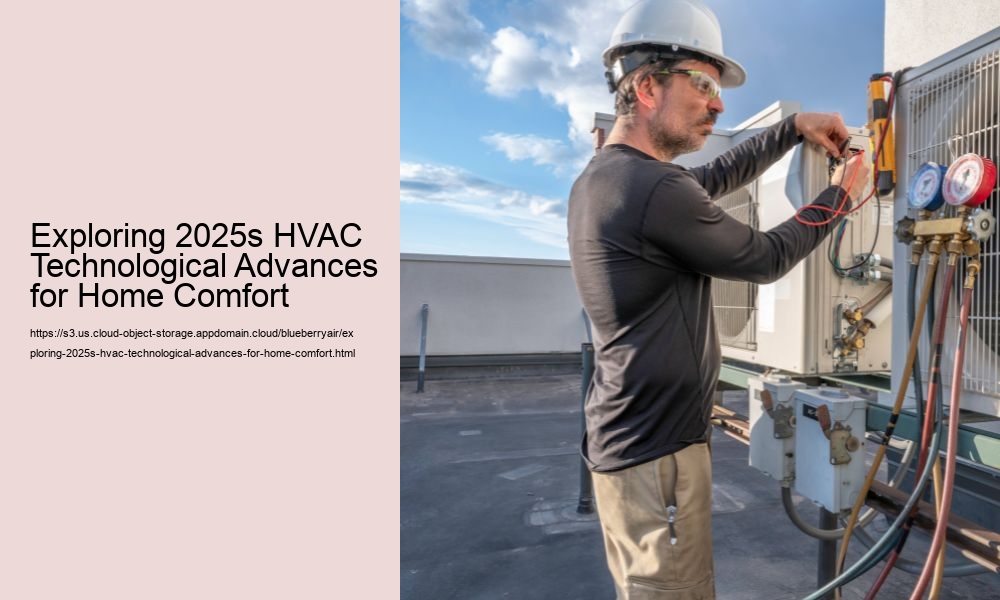
The year 2025 has opened up exciting new avenues in the realm of HVAC (Heating, Ventilation, and Air Conditioning) technology, particularly through the integration of IoT (Internet of Things) with smart home systems. Selecting a Top HVAC Contractor in North Hollywood: A Guide . This fusion is revolutionizing how we manage and experience comfort in our homes. However, as we delve deeper into this topic, its important to consider both the innovations and the challenges that come with these advancements.
One of the standout features of modern HVAC systems is their ability to learn and adapt to the homeowner's preferences and behavior patterns. Smart thermostats, for example, can now adjust the temperature automatically based on the residents daily routines, ensuring optimal comfort while also enhancing energy efficiency.
Exploring 2025s HVAC Technological Advances for Home Comfort - Exchanger
- Building
- Sealing
- Disinfection
- Ventilation
- Timely
- Ductwork
- Dehumidifier
- Dashboard
- Efficiency
- Monitoring
- Balance
Moreover, the integration of IoT devices enables homeowners to control their HVAC systems remotely using smartphones or other connected devices.
Exploring 2025s HVAC Technological Advances for Home Comfort - Technician
- Comfort
- Scheduling
- Sheetmetal
- Energy
- Technician
- Exchanger
- Quote
- Filtration
- HVACR
- Green
- IAQ
- Specialist
However, this technology does not come without its challenges. Security remains a major concern, as increased connectivity can potentially open up new vulnerabilities. The more devices we connect, the greater the risk of cyber attacks, which could lead to unauthorized access to personal information or even tampering with the system settings.
Interoperability is another issue.
Exploring 2025s HVAC Technological Advances for Home Comfort - Technician
- Standard
- Consultant
- Engineer
- AFUE
- Regulation
- Motor
- SEER
- Crew
- Mobile
- Programmable
- Airflow
- Reliable
Finally, theres the issue of cost. Advanced HVAC systems equipped with the latest IoT technology can be expensive, not just to purchase but also to maintain and repair. This can make them less accessible to the average consumer, potentially slowing down widespread adoption.
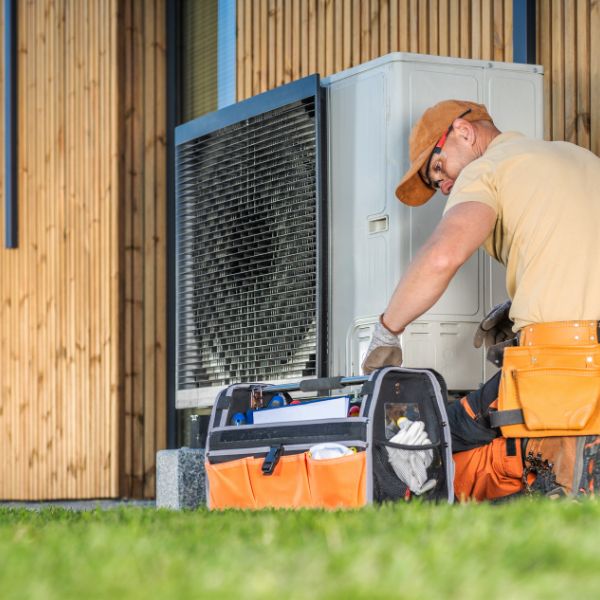
Despite these challenges, the potential benefits of integrating IoT with smart home systems in enhancing home comfort are immense. Cycle As technology continues to evolve, one can only imagine the further comforts and conveniences that await us just around the corner! Its an exciting time for innovation in the HVAC industry, indeed!
In conclusion, while the integration of IoT and smart home systems in HVAC technology promises enhanced home comfort and energy efficiency, it also requires careful consideration of issues like security, interoperability, and cost. Only by addressing these challenges head-on can we fully realize the potential of these technological advances. Lets keep pushing the boundaries of whats possible!
Advances in Energy Efficiency and Sustainability
As we look towards 2025, the landscape of home comfort is being reshaped by significant technological advances in HVAC systems, emphasizing not just energy efficiency but also sustainability. The integration of smarter technology and eco-friendly practices is setting a new standard for how we maintain the ideal home environment.
One of the most exciting developments is the emergence of HVAC systems that learn from our habits and adjust themselves accordingly. These smart systems are capable of analyzing our daily patterns and adjusting the heating or cooling based on when were typically at home or away. However, its not just about reacting to presence or absence; these systems can also integrate with local weather forecasts to preemptively adapt to changing conditions, ensuring optimal comfort without wastefulness.
Moreover, the use of renewable energy sources in HVAC systems has seen a considerable increase. Solar-powered HVAC systems are becoming more feasible and popular among homeowners who are looking to reduce their carbon footprint.
Exploring 2025s HVAC Technological Advances for Home Comfort - Energy
- Specialist
- Building
- Sealing
- Disinfection
- Ventilation
- Timely
- Ductwork
- Dehumidifier
- Dashboard
- Efficiency
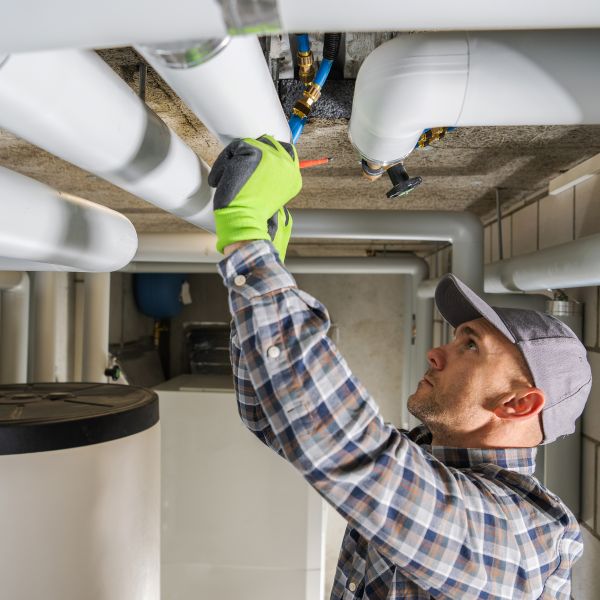
Another key advancement is the improvement in building materials that complement these technological shifts. New insulation materials and smarter windows that adjust their opacity to maintain internal temperatures further help in reducing the energy required for heating or cooling. These materials not only support the HVAC systems efficiency but also contribute to a much broader sustainability agenda.
However, all these advances do come with challenges, particularly in terms of cost and implementation. The initial setup for such advanced systems and materials can be quite high, which might deter some homeowners from making the switch immediately. Moreover, there is a learning curve associated with new technologies. Homeowners and technicians alike need to stay informed and possibly undergo training to fully utilize these advanced systems.
In conclusion, the future of home comfort in 2025 looks promising with these HVAC technological advances! The focus is clearly shifting towards not only maintaining comfort but doing so in an environmentally friendly and efficient manner. Technician As these technologies continue to develop and become more accessible, they will play a crucial role in shaping sustainable living spaces. Bill Nevertheless, embracing these changes will require both willingness and investment from homeowners, alongside support from policy makers and industry leaders to truly make the most of these innovative solutions.
Improving Indoor Air Quality with New Filtration Technologies
As we look toward the year 2025, the landscape of home comfort is being transformed by significant advancements in HVAC technologies, particularly in the area of indoor air quality. Exchanger The introduction of new filtration technologies is not just an innovation; its a game-changer for homeowners seeking healthier living environments.

Firstly, lets consider the traditional HVAC systems which have been serving us till now.
Exploring 2025s HVAC Technological Advances for Home Comfort - Compliance
- AFUE
- Regulation
- Motor
- SEER
- Crew
- Mobile
- Programmable
- Airflow
- Reliable
- Humidifier
One of the exciting developments in this field is the integration of HEPA filters into standard HVAC systems. HEPA, or High-Efficiency Particulate Air filters, have been around in various applications, but their integration into home HVAC systems is relatively new. These filters are capable of trapping 99.97% of particles that are as small as 0.3 microns, including pollen, dust mites, and even tobacco smoke. This means cleaner air continuously circulated within our homes, contributing to better respiratory health and overall well-being.
But the innovation doesnt stop there. Another breakthrough is the use of activated carbon filters combined with HEPA filters. Activated carbon is known for its ability to remove gases, odors, and volatile organic compounds (VOCs) from the air, which are things that HEPA filters might miss. This combination presents a comprehensive solution that addresses both particulate and gaseous pollutants, offering a superior air quality that was once thought to be only possible in controlled environments like hospitals and laboratories.
Moreover, smart technology incorporation in HVAC systems is also on the rise, allowing for better monitoring and control of air quality. Upgrade These smart systems can detect changes in indoor air composition and adjust the filtration settings accordingly, ensuring optimal air quality at all times.
Exploring 2025s HVAC Technological Advances for Home Comfort - Bill
- Quote
- Filtration
- HVACR
- Green
- IAQ
- Specialist
- Building
- Sealing
- Disinfection
- Ventilation
However, despite these advances, there are challenges and concerns. The cost of installing new filtration technologies can be high, and maintaining these systems also adds to ongoing expenses. There is also the aspect of technological reliability and the need for regular maintenance to ensure the systems operate efficiently without compromising air quality.
In conclusion, as we advance towards 2025, the new filtration technologies in HVAC systems are set to revolutionize how we maintain indoor air quality, making our homes safer and more comfortable. Its an exciting time for technological innovation in the HVAC industry! We just need to be mindful about balancing cost, efficiency, and maintenance to truly benefit from these advancements.
Future Trends: Predictions for 2030 and Beyond in HVAC Technology
As we look towards the horizon of 2025, the landscape of HVAC (Heating, Ventilation, and Air Conditioning) technology is poised for transformative shifts, promising enhanced home comfort and energy efficiency. The journey into the future trends and predictions for 2030 and beyond reveals an exciting era of innovation, where the integration of smart technology and sustainability are at the forefront.
In the realm of HVAC, smart technology is anticipated to become increasingly prevalent. By 2025, more homeowners are expected to adopt intelligent HVAC systems that can learn from their behaviors and optimize indoor climate based on real-time data. Imagine your air conditioning system adjusting automatically on a hot day before you even realize the need for a cooler environment! This not only enhances comfort but also contributes significantly to energy saving.
However, the impending advancements are not without their challenges. The integration of IoT (Internet of Things) in HVAC systems raises concerns regarding data security and privacy.
Exploring 2025s HVAC Technological Advances for Home Comfort - Bill
- Load
- Refrigerant
- Furnace
- Packaged
- Installer
- Energy
- Technician
- Exchanger
- Quote
- Filtration
- HVACR
- Green
- IAQ
Energy efficiency remains a pivotal focus, with ongoing efforts to reduce carbon footprints and adhere to stricter environmental regulations. Refrigerant By 2025, we could see wider adoption of HVAC systems that use renewable energy sources, like solar or geothermal. These technologies are not just good for the planet but also cost-effective in the long run, as they reduce reliance on traditional and more expensive energy sources.
Another exciting development is the improvement in air purification technology within HVAC systems. As air quality becomes a growing concern, especially in urban areas, advanced filtration methods are expected to become more mainstream. These systems will be capable of removing a broader range of pollutants and allergens from the air, ensuring a healthier living environment for everyone.
Despite these advancements, there are still hurdles to overcome. The cost of implementing cutting-edge technologies can be high, potentially limiting access for average consumers. Moreover, there remains a significant need for skilled technicians who are trained in the latest HVAC technologies. Packaged As systems become more complex, the industry must ensure that there are enough qualified professionals to install, maintain, and repair these advanced systems.
Looking ahead to 2030 and beyond, the future of HVAC is not just about cooling and heating homes more efficiently. Its about creating smarter, more responsive environments that adapt to individual needs while minimizing environmental impact. The journey there is exciting but requires careful consideration and planning to ensure that these new technologies are accessible and beneficial for all.
In conclusion, the HVAC industry is on the brink of a major technological revolution that promises to redefine home comfort. Compliance With smart, energy-efficient innovations on the rise, the future looks bright-but its essential to approach these changes with a careful balance of enthusiasm and caution!